September 2, 2026
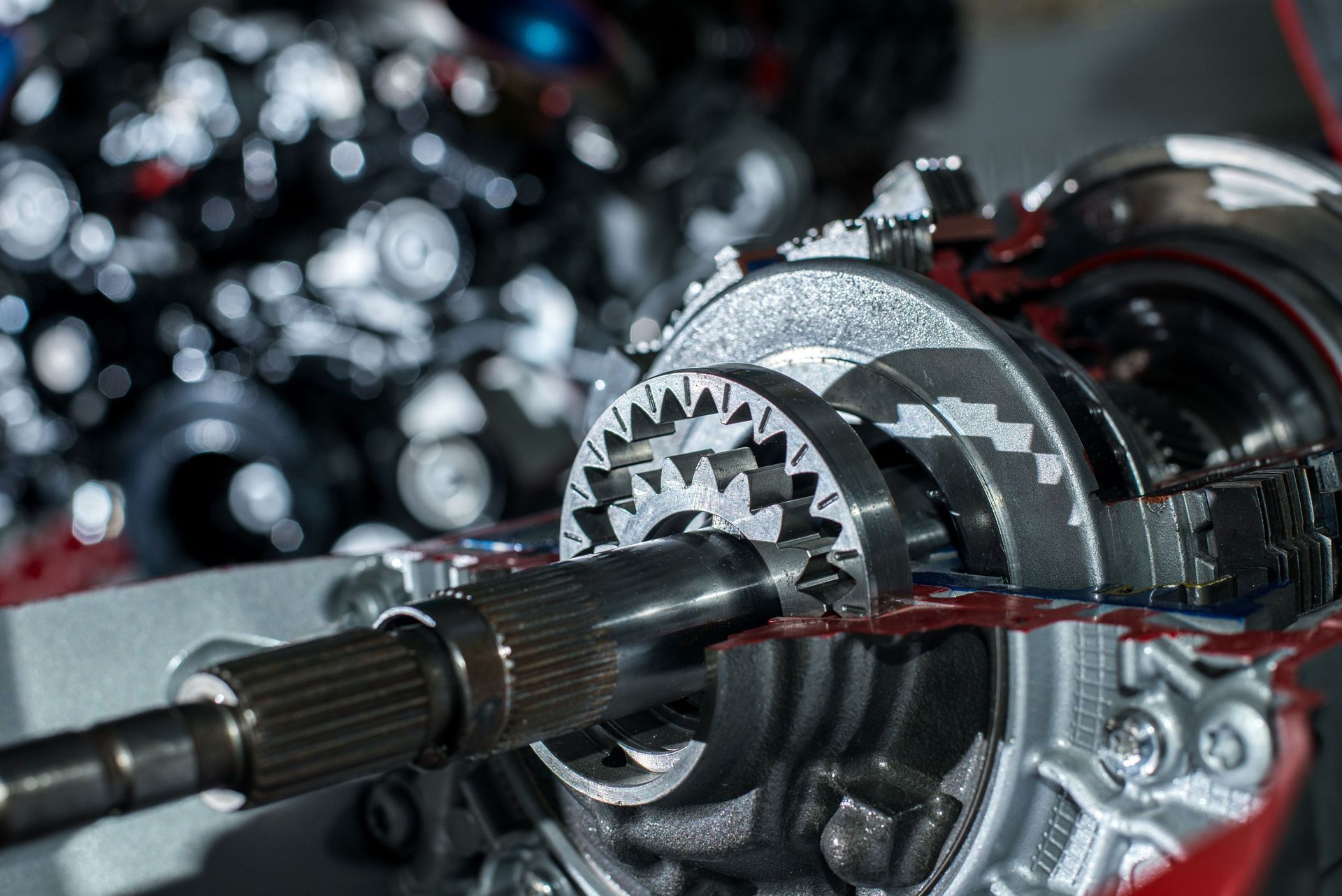
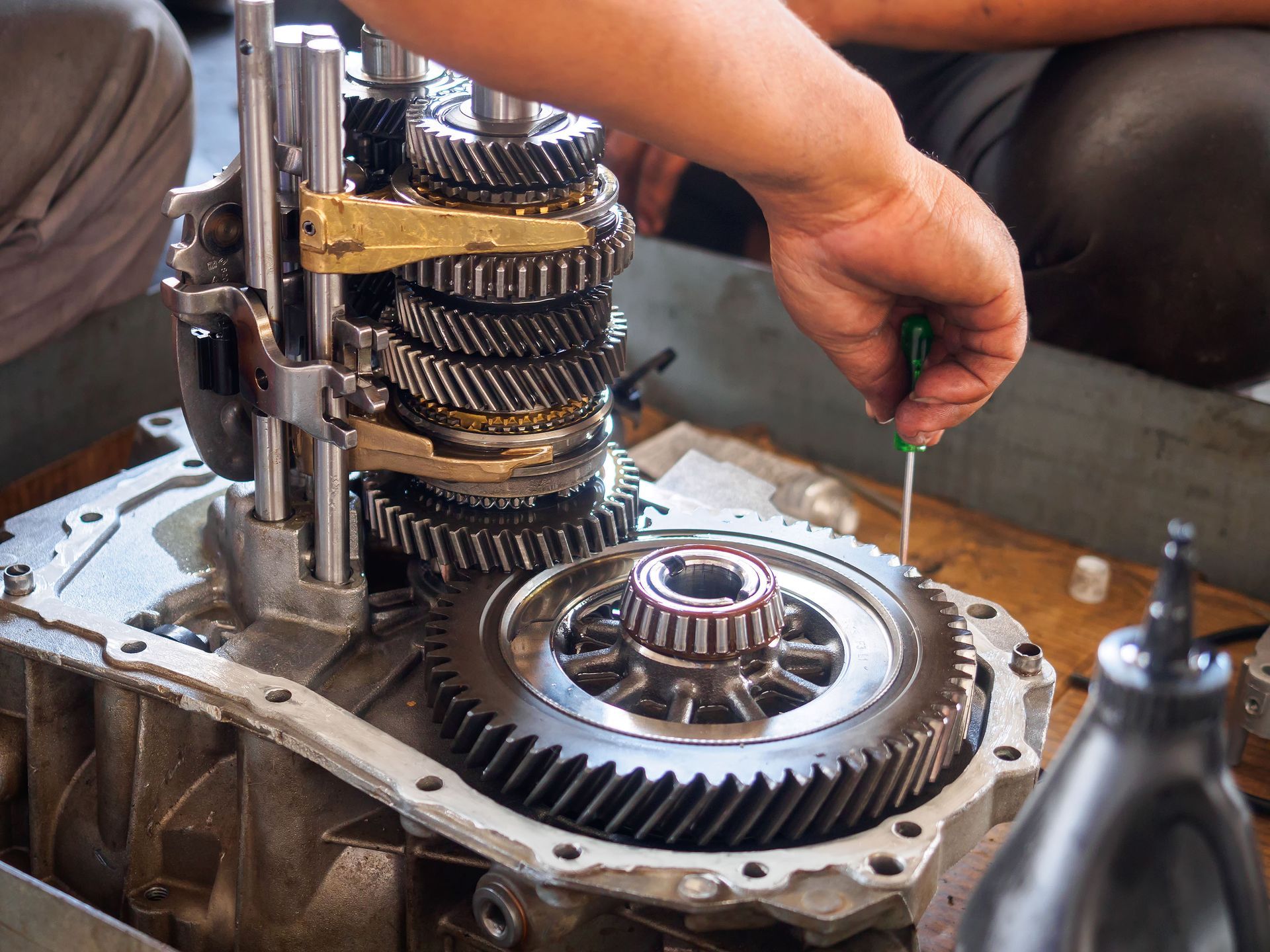
The transmission system serves as one of the most intricate and critical assemblies within any modern motor vehicle. Responsible for translating power directly from the engine to the drive wheels, this complex mechanical network relies on seamless interaction among dozens of high-precision components to manage speed and torque effectively. Because of the intense hydraulic pressures, continuous friction, and extreme thermal environments involved in daily operation, even minor degradation within the system can trigger widespread operational failure. Professional attention and structured maintenance protocols are essential for preserving mechanical efficiency of your transmission parts, ensuring passenger safety, and preventing catastrophic drivetrain damage over years of continuous vehicle use.
Neglecting routine vehicle care exposes sensitive internal gears, fluid channels, and control valves to accelerated friction and harmful contamination. Beyond avoiding massive repair bills, consistent professional care protects overall vehicle market value, enhances fuel economy, and delivers smooth, predictable shifting performance under diverse driving conditions. Prioritizing systematic evaluation and proactive service allows drivers to avoid unexpected breakdowns while ensuring that every internal component continues operating within its precise manufacturer specifications. Understanding how specialized care protects these intricate mechanisms provides clear insight into why continuous professional maintenance remains the single best strategy for total vehicle longevity.
Changing Transmission Fluid Regularly
Fluid servicing represents the single most fundamental routine task required to safeguard sensitive transmission parts against thermal degradation and mechanical friction. Modern automatic and manual fluid formulations provide vital lubrication, transfer kinetic energy through hydraulic circuits, and draw heat away from rapidly moving gear sets. Over time, high operating temperatures cause these specialized fluids to break down chemically, losing their original viscosity and oxidative resistance. As thermal breakdown progresses, the fluid ceases to provide an adequate protective barrier, exposing metallic surfaces to intense direct friction that quickly compromises internal tolerances.
Beyond chemical degradation, operational fluid naturally accumulates minute metallic shavings, friction material dust, and external moisture during normal operation. Suspended contaminants circulating freely through hydraulic passages act like liquid abrasives, scouring delicate valve bodies and accelerating wear across internal gears. Professional service centers remove depleted fluid along with these harmful suspended solids, replacing them with fresh, high-grade lubricants designed for specific torque loads and operating environments. Scheduled professional fluid replacement eliminates trapped debris, restores peak hydraulic pressure, and guarantees that sensitive mechanical interfaces receive continuous thermal and frictional protection throughout their service lives.
Servicing Internal Filtration Systems
Filters function as the primary defense mechanism within hydraulic drive systems, capturing micro-particles and abrasive contaminants before they can circulate through micro-machined valve passages. As fluid passes through high-density filter media, suspended metals and worn friction debris are effectively trapped, keeping the primary fluid channel clean. Over thousands of miles, however, accumulated debris gradually restricts fluid flow through the filter media, creating severe pressure drops across internal hydraulic circuits. Reduced hydraulic flow severely starves critical internal components of essential lubrication, generating extreme localized heat and rapid mechanical damage.
Ignoring a restricted filter leads to severe operational symptoms, including hesitation during gear selection, elevated operating temperatures, and slipping clutch packs under acceleration. Professional mechanics conduct thorough filter maintenance by removing pan assemblies, clearing magnet trays, and installing certified replacement filter units matched to exact manufacturer standards. Replacing these filtration components ensures unimpeded fluid circulation and maintains optimal hydraulic operating pressures throughout the system. Entrusting filter changes to experienced automotive technicians prevents severe cavitation, stops internal contamination in its tracks, and preserves long-term drivetrain integrity.
Inspecting Internal Bands and Clutches
Internal bands and clutch assemblies provide the holding power necessary to select, change, and maintain specific gear ratios under varying engine loads. These friction elements operate under immense hydraulic pressure, clamping tightly around rotating drums to hold or drive specific planetary gear sets. Constant friction generates localized heat, which gradually wears away specialized friction material bonded to the steel backing plates. As this material diminishes, engagement clearances widen, causing delayed shifting, harsh slipping under load, and severe thermal spikes capable of scorching adjacent metal surfaces. Regular monitoring ensures these friction surfaces remain within safe operational thresholds.
Preventing severe friction damage requires periodic professional evaluation, precision measurement, and certified mechanical adjustment of internal bands. Skilled technicians utilize specialized equipment to test hydraulic apply pressures, measure clutch pack clearances, and adjust external band anchors to precise factory tolerances. Inspections help in detecting minor issues before they escalate, reducing downtime and repair costs. According to IBISWorld, the auto parts making industry managed to secure a 0.3% compound annual growth rate over the five years ranging from 2021 to 2026, further indicating the importance of maintaining components properly due to their continuous development and intricacy. Timely service procedures ultimately extend the operational life of these vital control elements.
Replacing Worn Gaskets and Seals
Gaskets and dynamic seals maintain fluid pressure within internal hydraulic circuits while keeping external contaminants out of sensitive transmission parts. Manufactured from specialized rubber compounds, silicone, or composite materials, these components are engineered to withstand high temperatures and intense internal fluid pressures. Constant exposure to extreme heat cycles, aggressive chemical additives, and high mechanical pressure causes these elastomeric materials to harden, crack, or shrink over extended periods. Damaged seals permit hydraulic pressure leaks, leading to erratic gear engagement, erratic shifting performance, and low fluid levels. Replacing compromised sealing elements restores essential internal pressure boundaries.
Spotting fluid seepage early requires regular professional underbody inspections during routine vehicle servicing. When fluid levels drop due to faulty seals, internal lubrication is severely compromised, exposing precision gears and bearings to extreme friction and rapid thermal destruction. Qualified automotive technicians possess the specialized tools and technical expertise necessary to replace failed pan gaskets, shaft seals, and internal O-rings safely. Professional replacement restores complete fluid containment, stabilizes internal operational pressures, and shields critical drivetrain components from catastrophic failure caused by starvation. Routine evaluation ensures small fluid leaks never progress into expensive system overhauls.
Optimizing Auxiliary Cooling Performance
Excessive thermal energy represents the single primary cause of premature failure in modern automotive drivetrain assemblies. Transmission fluid operates within a very tight ideal temperature range; exceeding this baseline causes fluid oxidation, hardened rubber seals, and rapid glazing of internal clutch materials. Vehicle cooling systems, including auxiliary heat exchangers and integrated radiator cooling tanks, work continuously to extract excess heat from fluid circuits before it can damage internal gears. Restrictive debris, corroded cooling fins, or compromised fluid lines significantly impair heat dissipation, causing operational temperatures to spike dangerously during heavy towing or stop-and-go driving. Keeping these cooling passages clean ensures uniform heat removal under demanding conditions.
Maintaining top auxiliary cooling efficiency requires thorough professional evaluation of fluid lines, thermal bypass valves, and primary radiator heat exchangers. Automotive specialists inspect fluid lines for corrosion or structural pinching, flush contaminated cooling circuits, and verify that cooling fan assemblies engage correctly under heavy engine loads. Installing heavy-duty auxiliary fluid coolers provides crucial thermal protection for vehicles subjected to high stress or hot driving conditions. Rigorous oversight of cooling hardware keeps fluid within safe operating temperatures, preventing premature thermal degradation and protecting high-value mechanical components. Effective heat management on your transmission parts serves as a crucial line of defense against unexpected thermal failure.
Preserving structural integrity and smooth mechanical performance across your vehicle's complex drivetrain demands continuous care, high-grade fluids, and regular expert evaluations. Partnering with certified automotive specialists who know about
transmission parts ensures every internal component receives precise diagnostic testing, factory-specified replacement components, and meticulous mechanical adjustments. Protecting delicate gear sets, seals, and hydraulic circuits through professional maintenance preserves vehicle performance and yields major long-term financial savings. Routine maintenance schedules provide total confidence every time you operate your vehicle. Contact the team at A-1 Transmission & Parts Co today to schedule your comprehensive transmission service and ensure your vehicle remains completely reliable for every journey ahead.